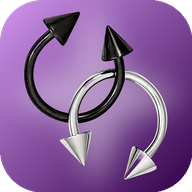
14g straight barbell (the healing standard)
Implant-grade titanium, fitted with room for initial swelling and downsized later. This is the only sensible starter — rings rotate and drag during healing.
A nipple piercing is a straight barbell through the base of the nipple — a piercing you choose for yourself, since most of the time only you know it's there. It is also one of the more painful piercings with one of the longest heals, so it rewards people who go in informed.
Reviewed and updated 2026-07-22
A nipple piercing passes horizontally through the base of the nipple — not the areola — with a 14g straight barbell. Horizontal is the anatomical default; vertical and angled placements exist for anatomy or style, and pairs are commonly done in one sitting for symmetry.
Anatomy matters more here than almost anywhere: nipple size, shape, and whether the nipple is flat or protruding all change placement, jewelry length, and whether the piercing will sit well long-term. A good piercer assesses first and marks with you standing.
It is worth saying plainly: this is a piercing for you. It lives under clothing, most people will never see it, and that privacy is precisely why many people love it.
Nipple piercings sit at about 7 out of 10 — among the more painful common piercings. The nipple is dense with nerve endings, and the needle's pass is a sharp, intense few seconds most people describe as breathtaking-but-brief.
The intensity fades to a deep throb within minutes and general soreness within days. If you are doing both, many people say the second one is harder — not because it hurts more, but because now you know. Doing both in one session still beats scheduling the dread twice.
Plan on 9 to 12 months. Nipple piercings are notorious for seeming healed at month three and flaring at month five — the channel matures slowly, and friction from clothing keeps re-irritating it. Keep the starter barbells in until a piercer confirms the heal.
The routine: sterile saline twice a day, a clean soft cotton bra or fitted shirt to stop fabric drag, and no twisting. Watch for the usual cartilage-style setbacks — crusties are normal, growing pain and heat are not.
Gym-goers: you don't have to stop training, but barbell-to-bench contact, sweaty fabric, and shared equipment are the enemies. Cover the piercings, wear clean snug layers, and shower promptly after sessions.
Straight barbells heal best; rings and decorative pieces are for the healed phase.
Implant-grade titanium, fitted with room for initial swelling and downsized later. This is the only sensible starter — rings rotate and drag during healing.
Once healed, a snug bar sits flat under clothing and stops the catch-and-tug that long starter bars invite.
The classic ring look. More movement and more visibility under thin fabric — a deliberate style choice for fully matured piercings.
Decorative pieces that thread onto the barbell for effect. Treat them as event jewelry, not daily wear — weight and snag risk add up.
| Feature | Nipple | Belly button |
|---|---|---|
| Pain | Around 7/10 — brief but intense | Around 4/10 — a strong pinch |
| Healing time | 9–12 months | 6–12 months |
| Jewelry | 14g straight barbell | 14g curved barbell |
| Visibility | Private — under all clothing | Shows with crop tops and swimwear |
| Main irritant | Fabric friction, gym contact | Waistbands and bending at the hips |
The piercer assesses your anatomy and marks entry and exit points standing up, checking symmetry if you are doing both sides.
A steadying breath, a single-use hollow needle through the nipple base, and the barbell follows — a few intense seconds per side.
Months of unglamorous consistency: saline twice a day, soft clean layers against the skin, no jewelry changes, patience through flare-ups.
Around full healing the piercer fits snug bars; rings and decorative pieces become options after 9–12 months.
Around 7/10 — a sharp, intense few seconds, among the stronger piercing pains. It fades to a throb quickly, and most people say the anticipation before side two was worse than the needle.
9 to 12 months, and they are famous for false finishes — calm at month three, flared at month five. Keep the starter barbells in until a piercer confirms the channel has matured.
Typically $50–$100 in the US for a single piercing with implant-grade jewelry; pairs usually price better than two singles. This is not the piercing to bargain-hunt — placement skill shows for a lifetime.
Yes, after the first few days of soreness — but manage friction: a clean snug sports bra or fitted shirt, a barrier over the bars for contact work or bench pressing, and a prompt shower after. Friction and sweat are the healing killers, not movement.
Barbell to heal, always — 14g implant-grade titanium. Rings move with every shirt and slow the heal badly. After 9–12 months, switch to a ring if you love the look; the healed channel handles it fine.
That answer is genuinely private — which is the appeal. If you are weighing the overall pierced look, preview visible piercings on your own photo in the PiercingAI app and decide how far you want your collection to go.
Piercing Types
The belly button piercing — a curved barbell through the ridge of skin above the navel — is the definitive body piercing: low on pain, high on payoff, and back in full force with the return of crop tops and low-rise everything. The catch nobody mentions is the healing timeline.
Piercing Types
A sternum piercing sets a vertical bar under the skin at the center of your chest, showing two gems stacked between the collarbones and the bust line. It is one of the most striking body piercings there is — and it is a surface piercing, which means the honest conversation starts with rejection.
Piercing Types
A dermal piercing is a single-point piercing: a small anchor sits under the skin and only a decorative top shows, so a gem appears to float anywhere flat on your body — cheekbone, chest, collarbone, hip. No exit hole, no visible bar, and a few rules that are different from every other piercing.
Piercing Tools
The chart above ranks every piercing from the 2/10 earlobe to the 8/10 snug. This guide explains where those numbers come from — the tissue science, the psychology, and the things that genuinely move a piercing up or down the scale.
Piercing Tools
The chart above lists the real healing window for every piercing. This guide covers what the numbers can't: the biology behind them, the trap that catches almost everyone at month two, and how to read what your piercing is telling you.
Piercings by Occasion
Nobody wants to pause training for a piercing — and mostly you don't have to. Sweat is less dangerous than the internet claims, but helmets, headphones, and a barbell across your shoulders are more dangerous than people admit. Here's the honest version for lifters, riders, and everyone in between.